
Diagnostic guide
When to Upgrade to a 200-Amp Electrical Panel
Last reviewed · Reviewed by the Pro Electrician technical team
Short answer
You must upgrade to a 200-amp panel if your home currently has 100-amp or 150-amp service and you are adding high-demand electrical loads such as an EV charger, pool heat pump, or larger central AC, or if your existing panel is an uninsurable Challenger, Zinsco, or Federal Pacific unit.
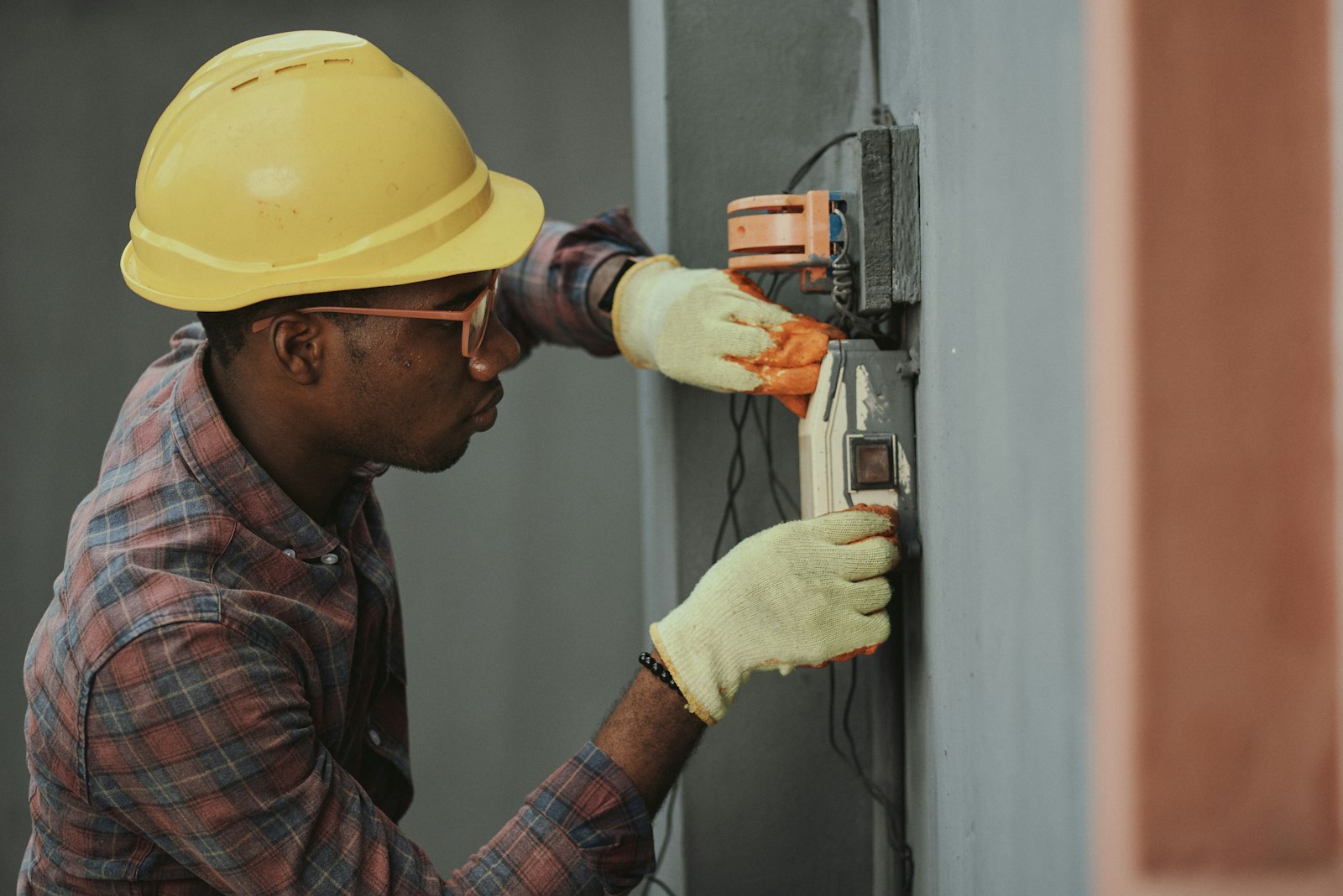
Modern Florida Electrical Demands Exceed 100A Capacity
Homes built across Spring Hill during the 1970s and 1980s were designed for a different era of electrical consumption. Today, a 4-ton central heat pump (30A–40A), an electric water heater (25A), an electric range (40A), and a clothes dryer (30A) already max out a 100-amp service entrance. Adding modern conveniences like an electric vehicle charger (40A–50A) or pool pump causes frequent main breaker overloads.
- National Electrical Code Article 220 load calculations determine required service size
- Continuous loads like EV chargers count at 125% of their rated amperage
- 200-amp service provides ample breaker space for modern whole-house surge protection
Florida Insurance Four-Point Inspection Requirements
Florida homeowners insurance carriers strictly scrutinize electrical panels during four-point inspection audits. Insurers routinely deny or cancel coverage on homes equipped with Federal Pacific Electric (FPE) Stab-Lok, Zinsco, Challenger, or Sylvania panels due to high documented failure rates. Upgrading to a modern UL-listed 200A panel restores insurability.
What the Panel Upgrade Process Involves
A complete service upgrade includes pulling permits with Hernando County, coordinating temporary power disconnect with Withlacoochee River Electric (WREC) or Duke Energy, replacing the exterior meter socket and mast, installing the new 200A panel, driving two new 8-foot copper ground rods, and passing county inspection.